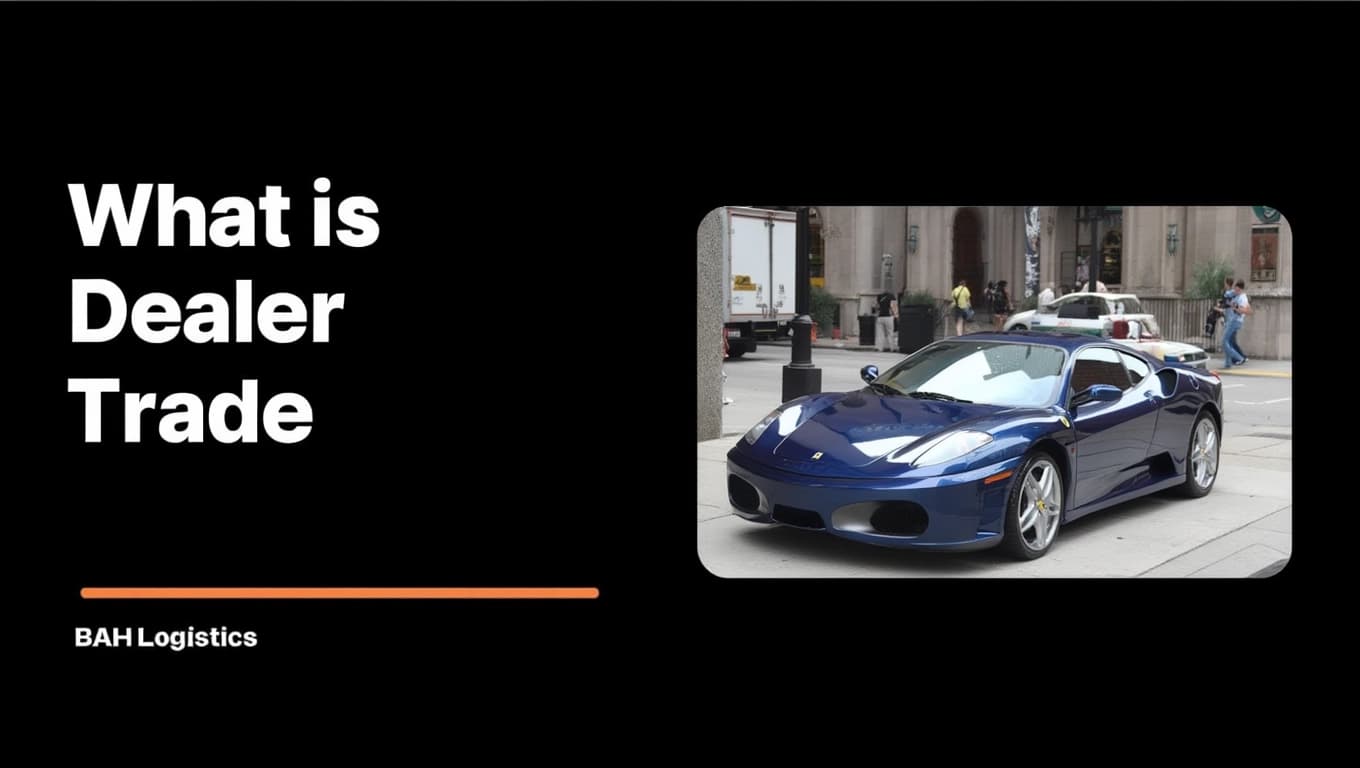

Dealer trades are one of the most common inventory solutions in the automotive industry. When a customer requests a specific vehicle that is not available on the lot, a dealer trade allows the selling dealership to source it from another location and fulfill the sale without delay.
The process is straightforward in concept but operationally demanding in practice. The vehicle must be transported on time, in perfect condition, and with the right documentation in place. When those elements are handled correctly, a dealer trade closes the sale and strengthens customer retention. When they are not, the deal is at risk.
Understanding the full scope of a dealer trade, including the benefits, the challenges, and the logistics involved, helps dealerships make faster decisions and protect their bottom line. BAH Logistics provides nationwide dealer trade transport solutions to keep inventory moving and deals on track.
What Is a Dealer Trade?
A dealer trade occurs when two dealerships exchange vehicles to fulfill a customer request. This usually happens when a buyer wants a specific make, model, trim, or color that isn’t available on the selling dealership’s lot. Rather than losing the sale, the dealership locates the vehicle at a nearby dealer and arranges a swap.
The process almost always begins after the customer has committed to a purchase. Once both dealers agree on the trade, the vehicle must be physically transported, sometimes across town, sometimes across state lines. This is where logistics become important to closing the deal smoothly. While most buyers focus on the sale itself, the transportation behind a dealer trade is what ensures the transaction goes off without a hitch.
Advantages of Dealer Trades
Closes sales that would otherwise be lost. When a customer wants a specific trim, color, or configuration that is not in stock, a dealer trade eliminates the need to redirect the buyer to a competitor. The sale stays with the dealership.
Locks in time-sensitive incentives. Manufacturer rebates and promotional financing offers are often tied to specific deadlines. A dealer trade allows dealerships to source the right vehicle quickly and capture those incentives before they expire.
Improves inventory flexibility without factory wait times. Rather than waiting weeks for a factory order, dealer trades allow dealerships to fulfill customer requests within days by drawing from existing inventory across the network.
Strengthens customer relationships. Buyers who receive exactly the vehicle they requested, delivered on time and in showroom condition, are significantly more likely to return for future purchases and recommend the dealership to others.
Supports month-end volume targets. When a dealership is close to hitting a sales threshold or manufacturer bonus, dealer trades provide a fast mechanism to move additional units before the period closes.
Challenges of Dealer Trades
Transport logistics add complexity to the deal. Coordinating pickup, transit, and delivery between two dealerships requires precise scheduling. Without a reliable transport partner, delays are common and can put the sale at risk.
Timing affects profitability. Late deliveries can cause customers to lose confidence, explore competing options, or miss financing windows. Every day in transit carries a cost that extends beyond the transport fee itself.
Vehicle condition during transit is a dealership's responsibility. A vehicle that arrives damaged requires reconditioning, creates disputes between trading partners, and reflects poorly on the selling dealership, regardless of where the damage occurred. Professional transport with documented condition reports eliminates this risk.
Paperwork coordination between two locations creates delays. Title transfers, release authorization, and bill of lading documentation must align with transport timing. Misalignment between the two dealerships is one of the most common causes of avoidable delays.
Cost management requires planning. Last-minute transport requests, expedited scheduling, and off-route deliveries all carry a price premium. Dealerships that build transport costs into the deal structure from the beginning protect their margins more effectively.
Why Transportation Is Critical in Dealer Trades
| Why Transportation Matters | Explanation |
|---|---|
| Delivery Timing | Vehicles must arrive when the customer expects. Delays can risk the sale, and every day in transit affects the deal. |
| Incentives & Rebates | Manufacturer promotions, rebates, and special pricing are time-sensitive. Late delivery can turn a profitable deal into a costly one. |
| Inventory Turnover & Cash Flow | Vehicles sitting idle tie up capital. Efficient transport between dealerships keeps inventory moving and ensures healthy cash flow. |
| Vehicle Condition | A scratched or damaged vehicle can harm the dealership’s reputation and require costly reconditioning. Buyers expect showroom condition. |
| Risk of Cancelled Deals | Delays may cause buyers to lose confidence, shop elsewhere, or change their minds. Fast, reliable transport is crucial. |
The vehicle itself represents only half of a successful dealer trade. The other half is execution. A transport that runs late puts the sale at risk. A vehicle that arrives damaged requires reconditioning and creates disputes between trading partners. Documentation errors stall delivery and delay the customer. For dealerships, the margin on a deal can erode quickly when transport is treated as an afterthought rather than a managed part of the transaction.
BAH Logistics works with dealerships nationwide to ensure that the logistics side of every dealer trade is handled with the same precision as the sale itself. From dispatch coordination to final delivery documentation, every step of the transport process is managed to protect the deal, the vehicle, and the dealership's reputation.
How Dealer Trade Vehicles Are Transported
Not all dealer trade transports are the same. The method used depends on the vehicle type, distance, value, and timeline. Here’s a breakdown of the most common dealer trade shipping options and when each makes sense.
Open Carrier Transport: Open carrier transport is the most common and cost-effective method for dealer trades. Vehicles are loaded onto an open-air trailer, often carrying multiple cars at once. This is ideal for standard inventory, such as sedans, SUVs, and trucks that need to move quickly. While vehicles are exposed to the elements, the risk is minimal for everyday vehicles, making it the best option for most dealer trades.
Enclosed Transport: Enclosed transport is used for high-value, luxury, or specialty vehicles. Cars are loaded into a fully covered trailer, protecting them from weather, road debris, and potential damage. This method is ideal for performance, exotic, classic, or collector vehicles. Although more expensive, the added protection ensures vehicles arrive in perfect condition, meeting customer and dealership expectations.
Single-Car vs. Multi-Car Trailers: The choice between single-car and multi-car trailers depends on distance, urgency, and route logistics. Single-car trailers are best for local or regional trades where speed is critical, allowing direct pickup and delivery without extra stops. Multi-car trailers are ideal for longer distances or larger volumes, reducing cost per vehicle and optimizing routing.
Which Trailer Is Right for Your Trade?
At BAH Logistics, we match every shipment to the right trailer type based on vehicle value, distance, and urgency. Here's how the most common options compare:
| Trailer Type | Capacity | Best For |
|---|---|---|
| Open Multi-Car | Up to 10 vehicles | Standard inventory, cost-effective moves |
| Open Single Axle | 1–3 vehicles | Local or regional trades |
| Hard-Sided Enclosed | Up to 6 vehicles | Luxury, performance, specialty units |
| Soft-Sided Enclosed | Up to 4 vehicles | Mid-range protection, lower cost than hard-sided |
| Single-Car Enclosed | 1 vehicle | Exotics, classics, direct delivery |
How Long Does Dealer Trade Transport Take?
In a dealer trade, timing is everything. Customers expect their vehicles as quickly as possible, and delays can affect satisfaction and even the sale itself. Here’s a typical breakdown of transit times:
Local Transport: Trades within the same state usually take 1–2 business days. Same-day or next-day pickup is often possible, depending on carrier availability.
Regional Transport: Moves across neighboring states generally take 2–3 business days. Routing is simple, and transit times are consistent, making these trades easy to coordinate.
Cross-Country Transport: Long-distance moves, such as coast-to-coast, typically take 5–7 business days or more, depending on routing and carrier availability. These transports require careful planning and a logistics partner with a strong nationwide network, like BAH Logistics, to keep vehicles on schedule.
What Affects the Cost of Dealer Trade Transport
Distance and Efficiency: The further a vehicle travels, the higher the total cost. However, cost per mile often drops on longer routes because carriers can optimize their trips. Moving a vehicle between major hubs, like Atlanta to Dallas, is generally cheaper than off-route or rural deliveries.
Vehicle Size and Type: Larger vehicles such as trucks, SUVs, and vans take up more space and add weight, increasing fuel use and limiting carrier capacity. Standard inventory is usually transported on open carriers, while high-value, luxury cars often require enclosed transport for protection. Choosing the wrong method can increase costs or cause damage.
Expedited Requests: Many trades are time-sensitive because customers are waiting, rebates are ending, or competing dealers have similar vehicles. Expedited shipping is available but comes at a premium and can reduce profit margins if not planned into the deal from the start.
Route Availability: High-traffic corridors between major cities have more carrier options, which keeps pricing competitive and transit times consistent. Less-traveled routes have fewer carriers, longer lead times, and less pricing flexibility. Working with a logistics partner that maintains a wide carrier network reduces exposure to these variables.
Fuel Trends: Fuel prices affect transport costs. When fuel rises, carriers increase rates. Dealerships that negotiate rates or work consistently with a logistics partner can reduce exposure and keep costs predictable.
Estimated Dealer Transport Costs 2026
| Transport Type | Scope | Miles | Estimated Cost | Best For |
|---|---|---|---|---|
| Open Trailer | Local / In-State | Up to 100 miles | $150 — $450 | Standard inventory swaps |
| Open Trailer | Regional / Multi-State | 100 — 500 miles | $200 — $650 | Common dealer-to-dealer trades |
| Open Trailer | Cross-Country | 400 — 2,500+ miles | $700 — $1,200 | Out-of-market sourcing |
| Enclosed | Regional | 100 — 500 miles | $300 — $950 | Luxury, EVs, or classic inventory |
| Enclosed | Cross-Country | 500 — 2,500+ miles | $450 — $1150 | High-value “Sold” units |
| Expedited | Any | Any distance | Premium / Market Rate | Immediate “Must-Have” deliveries |
Common Dealer Trade Transport Challenges
At BAH Logistics, we’ve handled hundreds of dealer-to-dealer moves. These are the most common challenges, and how to stay ahead of them:
Last-minute scheduling. Deals happen fast, but carriers don’t always move on short notice. Same-day or next-day requests limit options and increase pricing. Even a short planning buffer (24–48 hours) improves availability and cost.
Tight delivery deadlines. Trades are often tied to customer delivery promises. Weather, traffic, and route changes can all disrupt timing. Setting realistic expectations up front helps avoid missed commitments.
Vehicle condition documentation. Without clear inspection reports and photos at pickup and delivery, disputes become difficult to resolve. Consistent documentation protects all parties.
Title and paperwork timing. A vehicle may be ready, but paperwork delays can stall the move. Carriers arriving without release-ready documents lead to wasted time and rescheduling. Align paperwork with transport timing.
Coordination between dealerships. Miscommunication around pickup windows, keys, or release authorization is a common delay factor. A single point of contact simplifies everything.
Carrier availability. Non-metro routes have fewer carriers, longer lead times, and higher costs. Planning and working with an established network improves reliability.
Lot readiness & access. Vehicles not accessible, blocked in, or missing keys can delay pickup even when the carrier is on-site. Confirming vehicle location, keys, and access ahead of time prevents avoidable setbacks.
In-House Driver vs. Third-Party Transport: What Actually Changes
On the surface, moving a vehicle with an in-house driver seems simple. In practice, it introduces hidden costs, added risk, and operational strain that aren’t always obvious upfront. Here’s how it compares to working with a dedicated transport company:
| Factor | In-House Driver | Third-Party Transport |
|---|---|---|
| Insurance Coverage | Falls under dealership policy; may not be structured for transport scenarios | Dedicated cargo & liability coverage built specifically for vehicle transport |
| Liability Exposure | Dealership handles claims, paperwork, and potential premium impact | Liability shifts to carrier during transit; claims handled externally |
| Fuel Cost | Paid directly at retail rates; no cost optimization | Built into the rate and distributed across multi-vehicle routes |
| Labor Cost | Staff time, wait time, and return logistics add up quickly | No internal labor required; fully managed process |
| Risk of Wear & Mileage | Mileage added to the vehicle, affecting value and disclosures | No added miles; vehicle transported as-is |
| Scheduling Flexibility | Limited by staff availability and daily operations | Dispatch based on carrier routes and availability |
| Scalability | Becomes difficult to manage as volume increases | Scales easily without adding internal resources |
| Time & Operational Focus | Pulls staff away from sales and service | Keeps your team focused on core operations |
How Professional Transport Elevates the Dealer Trade
Professional vehicle transport between dealerships can save time, reduce errors, and improve customer satisfaction. Here’s how:
Dedicated Dispatch Coordination: Instead of a salesperson calling multiple carriers, a professional service like BAH Logistics provides a single point of contact. This expert manages the entire move, ensuring the right truck is assigned to the right trade at the right time.
Meticulous Condition Reports: Transport companies provide digital condition reports, maintaining trust between trading partners and ensuring both sending and receiving dealers agree on the vehicle’s state upon pickup and delivery.
Formal Bill of Lading (BOL) Documentation: A clean, standardized BOL serves as a legal receipt, simplifying accounting and intake for back-office teams.
Flexible Pickup Scheduling: Dealerships are fast-paced. Transport companies like BAH Logistics offer flexible windows that accommodate service bays and lot managers, preventing bottlenecks.
Volume Shipping Solutions: For dealerships moving multiple units, professional transporters can bundle loads. This “multi-car” approach is cost-effective and reduces truck traffic on the lot.
Route Planning Expertise: Logistics professionals optimize routes to reduce transit times and minimize the risk of delays caused by weather or construction.
When Dealerships Should Use Expedited Transport
In the fast-paced world of automotive sales, timing can make or break a deal. Here are some scenarios where expedited transport is particularly valuable:
Incentives About to Expire: When a manufacturer's rebate or special financing offer is about to end, getting the car on the lot quickly is critical. Expedited transport helps you meet the deadline.
Customer Delivery Deadlines: High-value clients often have tight schedules. Whether they’re leaving for a trip or replacing a primary vehicle, expedited shipping guarantees the car arrives on time.
High-Gross Deals: For rare or luxury models, the cost of delays is high. Prioritizing these shipments protects your most profitable transactions.
Month-End Quotas: When a dealer is just a few units from hitting a bonus or goal, every hour counts. Expedited transport helps get those cars delivered before the month ends.
Special-Order Units: Customers waiting for a specific configuration expect a smooth delivery. Expedited service ensures the vehicle’s arrival meets their expectations.
Best Practices for Dealer Trade Shipping
Vetting Transporters: Choose experienced, licensed, and insured car shipping companies that provide regular updates. This ensures vehicle security, reliability, and peace of mind for both dealerships and customers.
Inspection Procedures: Use detailed digital inspection reports before and after transport. Document any pre-existing damage, scratches, or undercarriage issues to prevent disputes between sending and receiving dealers.
Transport Choice: For high-value or rare vehicles, select enclosed transport to protect against road debris and weather. Use open, multi-car transporters for cost-effective shipping of standard inventory.
Vehicle Preparation: Clean the vehicle for easy inspection, remove personal items, disable alarms, and keep fuel levels around a quarter tank to facilitate safe and efficient loading and unloading.
Documentation: Have all necessary paperwork ready, including the title, keys, and the Bill of Lading (BOL). Clear documentation ensures a smooth transfer of liability and faster processing for the shipping company.
Choose BAH Logistics for Reliable Dealer Trade Transport
A delayed trade doesn't just inconvenience a customer; it can kill the deal entirely. BAH Logistics works with dealerships nationwide to make sure vehicles move on time, arrive in perfect condition, and never become the reason a sale falls through. Request a quote today, and let's talk about what reliable dealer trade transport actually looks like for your operation
FAQs on Dealer Trade
Who pays for dealer trade transport?
Cost responsibility is agreed upon between the two dealerships before the move is arranged, typically split or covered by the requesting dealer. Transparent, upfront quotes are provided so both parties understand the full cost before committing.
How long does a dealer trade take?
Most dealer trades are completed within 1–5 business days, depending on distance, route availability, and carrier scheduling. Local or regional moves are often completed within 24–48 hours, while cross-country shipments may take closer to 5 days. Estimated delivery windows are provided at the time of booking.
Is dealer trade shipping insured?
Yes, all vehicles shipped with BAH Logistics are covered by all-in-one cargo insurance, with coverage up to $1 million. This protects against damage or loss while in the carrier’s custody. Dealerships are advised to document the vehicle’s condition with photos before pickup, and only fully vetted, insured carriers are used.
What happens if the vehicle arrives damaged?
Any damage at delivery should be noted on the Bill of Lading (BOL) before signing and reported immediately; do not accept the vehicle without proper documentation. A claim will be initiated with the carrier’s insurance, and the issue will be handled as quickly as possible. Pre-shipment photos are essential for a successful claim.
Can multiple vehicles be moved at once?
Yes, multi-vehicle dealer trades can be coordinated on the same transport, often reducing per-unit costs. Both open and enclosed multi-car carriers are available based on your inventory and budget. Bundling multiple trades into one shipment can improve efficiency and savings.




