Inoperable Car Shipping Services: We'll Still Ship It: Anywhere in the U.S.
Whether your car won't start, won't roll, or won't steer, we
specialize in moving non-running vehicles safely across the country. No
surprise fees at pickup. No canceled orders because of your car's condition.
Just honest quotes, the right equipment, and carriers who know exactly how to
handle a vehicle like yours. Fill the form to receive your quote.
We Will Give You an Answer 24/7

![[object Object]](/_next/image?url=%2F_next%2Fstatic%2Fmedia%2Fpartner2.1f37db5f.svg&w=384&q=75)
![[object Object]](/_next/image?url=%2F_next%2Fstatic%2Fmedia%2FgoogleRating.4953d4e1.png&w=384&q=75)
Loading calculator...
Loading calculator...

Fast Shipping
On-Time Delivery

Nationwide Coverage
Cross Country Shipping

Support Team
Available support team

Secure Shipping
All-in-One Insurance Included
What Counts as Inoperable Vehicle?
A non-running vehicle is simply any car that can't drive itself, whether it won't start, won't move, or both.
That covers everything from a dead battery or flat tire to major engine, transmission, or electrical failures. If it can't get from point A to point B on its own power, it's a non-running vehicle.
The condition of your vehicle determines what equipment the carrier needs to bring. Get this right upfront, and your pickup goes smoothly. Get it wrong, and you're looking at delays, rescheduling, or extra fees on the day. Use the three tiers below to identify where your vehicle stands.
Tier 1: Doesn't Start
The engine won't turn over, but the vehicle rolls and steers freely when pushed. This is the most common situation: a dead battery, a failed starter, a seized engine. The car is physically moveable, but it just can't power itself.
This is the easiest inoperable vehicle to ship. A standard flatbed carrier can handle it without any special equipment. Loading is straightforward, and dispatch times are similar to a running vehicle.
Tier 2: Doesn't Roll
The vehicle won't move when pushed. This includes locked brakes, seized or frozen wheels, missing or completely flat tires, or a vehicle that's been sitting so long the wheels have fused to the ground. The car isn't just non-starting; it physically resists being moved.
This requires a winch-equipped carrier. The carrier uses a winch cable to pull the vehicle onto the flatbed without needing it to roll. Expect a slightly longer dispatch window (carriers with winch equipment are less common) and a modest cost increase over Tier 1.
Tier 3: Doesn't Roll and Doesn't Steer
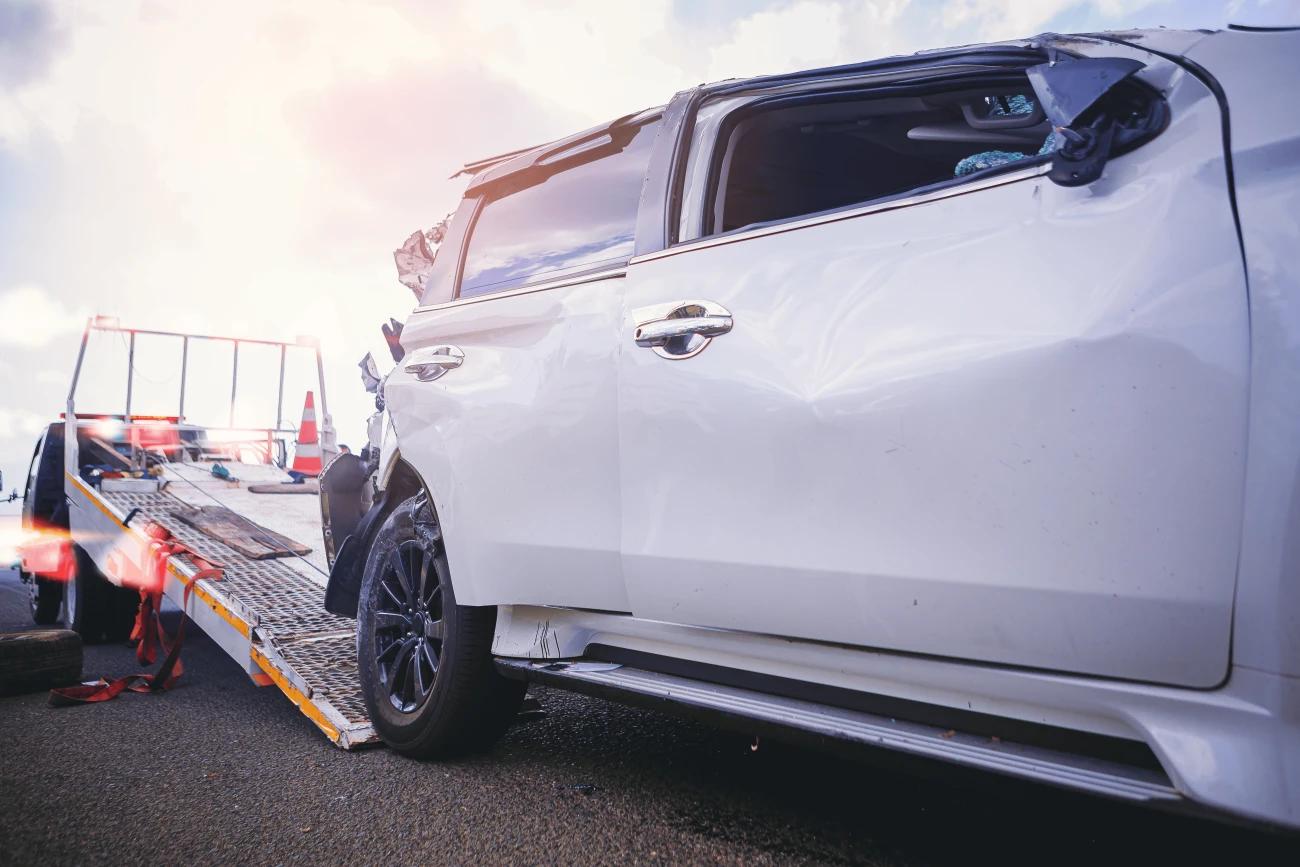
The most complex situation. The vehicle won't move, and the steering is locked, or the front wheels are turned at an angle, making winch loading difficult or impossible. This includes vehicles with significant accident damage, missing axles or wheels, or structural issues that prevent normal loading.
This requires specialty equipment: typically a forklift or a carrier with a hydraulic lift system capable of moving the vehicle without relying on its wheels at all. This is the least common scenario but the most important one to disclose upfront. Sending a standard carrier to a Tier 3 vehicle wastes everyone's time and delays your shipment.
Equipment We Use for Inoperable Vehicle Shipping
![[object Object]](/_next/image?url=%2F_next%2Fstatic%2Fmedia%2FtickIcon.7b56e4ac.png&w=64&q=75)
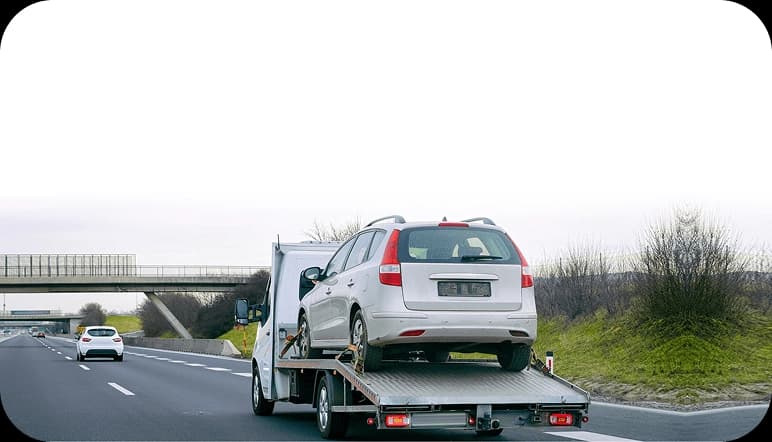
Flatbed Carriers: The standard tool for Tier 1 vehicles: cars that don't start but roll and steer freely. The vehicle is pushed or guided onto the flatbed, secured with straps and wheel chocks, and transported in an open-air position. Reliable, widely available, and the most cost-effective option for non-starting vehicles.
Winch-Equipped Carriers: Required for Tier 2 vehicles: cars with locked brakes, seized wheels, or tires too damaged to roll. A steel cable winch pulls the vehicle up the loading ramp without requiring the wheels to turn. The carrier controls the speed and tension of the winch throughout loading to prevent any stress on the vehicle's frame or undercarriage. Once loaded, the vehicle is secured the same way as a standard flatbed shipment.
Forklift and Hydraulic Lift Carriers: Reserved for Tier 3 vehicles: cars that won't roll and won't steer, or vehicles with significant structural damage that makes ramp loading impossible. A forklift or hydraulic platform lifts the vehicle directly and positions it onto the carrier bed. This method works regardless of wheel condition, steering lock, or vehicle orientation. It's the most specialized option in our network and the one we deploy for the most complex situations.
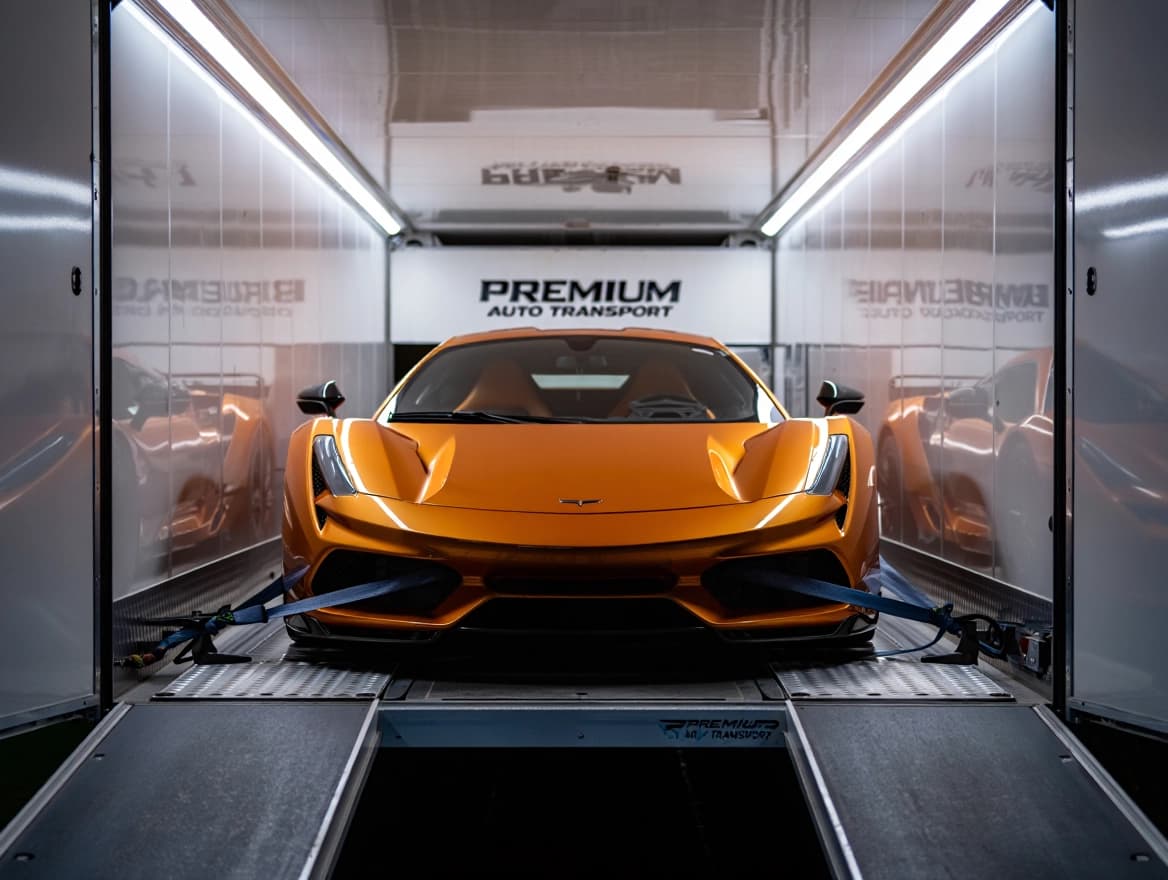
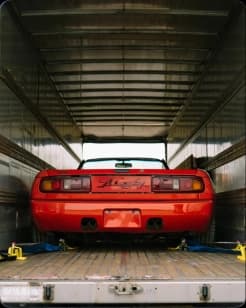
Enclosed Carriers: Available for all three condition tiers. Instead of riding on an open flatbed, your vehicle travels inside a fully enclosed trailer: protected from weather, road debris, and road salt. Enclosed transport is the right call for high-value non-runners: restored classics, collector vehicles, or any car with fresh paint, exposed bodywork, or vulnerable mechanical components. It costs more, but for the right vehicle, it's worth every dollar.
Loading slider...
Years in Car Shipping
Happy Clients
On-Time Delivery
Industries Serve

INOPERABLE VEHICLE EXPERTISE
Shipping a non-running car isn't standard auto transport; it's a specialty. We've moved tens of thousands of inoperable vehicles across the country, from dead-battery Tier 1 cars to fully seized, forklift-required Tier 3 situations. We know what equipment each condition needs, what can go wrong, and how to prevent it.
ALL-IN-ONE INSURANCE COVERAGE
Your non-running vehicle is covered from the moment it's loaded until it's signed off at delivery. With cargo coverage up to $250,000, your car is fully protected throughout transit, giving you complete peace of mind regardless of its condition or value.
24/7 SUPPORT
Auction storage fees don't wait for business hours. Neither do we. From your first quote to final delivery, our team is available around the clock to answer questions, provide updates, and handle anything that comes up, day or night.
TRANSPARENT PRICING
Your quote reflects your vehicle's actual condition: Tier 1, 2, or 3. No vague estimates, no price changes at pickup. Submit your vehicle details and get a rate that's built around your specific situation, not a generic number adjusted later.VETTED CARRIERS WITH THE RIGHT EQUIPMENT
We only assign carriers who are specifically equipped for your vehicle's inoperability tier. Winch trucks for locked wheels, specialty loaders for fully seized vehicles, and enclosed carriers for high-value non-runners. The right carrier is matched to your car before dispatch, not figured out on pickup day.FAST DISPATCH, CLEAR TIMELINES
We know time matters, especially if you're on an auction yard's storage clock. Most inoperable vehicles are dispatched within 1–3 business days. You'll receive your carrier's name, contact number, and confirmed pickup window before they arrive. No vague "sometime this week" windows.FULLY LICENSED, BONDED & COMPLIANT
FMCSA registered, fully insured, and compliant with all federal transport regulations. Every carrier in our network meets the same standards. Your non-running vehicle is covered by complete legal protection and the highest industry safety standards from start to finish.NATIONWIDE COVERAGE
From Miami to Seattle, Copart lots to private driveways, body shops to storage facilities, we cover all 50 states. Whether your non-running vehicle is in a major metro or a rural location, distance and access are never a barrierHow We Ship Inoperable Vehicles
Get Your Quote
Tell us your pickup and delivery locations, your vehicle's year, make, and model, and its condition (using the tier system above). Because we collect condition details upfront, the price you see is the price you pay. No bait-and-switch at pickup.
We Match You to the Right Carrier
Not every carrier handles inoperable vehicles, and not every carrier that does has the right equipment for every situation. Once we receive your order, we assign a carrier from our vetted network who is specifically equipped for your vehicle's condition, whether that's a winch truck, a flatbed with extended ramps, or a specialty liftgate carrier.
Pickup Confirmation
You'll receive your carrier's name, phone number, DOT number, and a confirmed pickup window before they arrive. No mystery drivers. If you have any special access requirements, such as a gated community, auction yard, or storage facility, we communicate that to the carrier in advance.
Loading and Transport
Our carriers are experienced with non-running vehicles. They'll document your car's existing condition with photos before loading, secure it properly for the haul, and communicate any concerns before departure. Your vehicle travels on an enclosed or open carrier depending on your choice and availability
Delivery
Your carrier will contact you before arriving at the delivery location. You inspect the vehicle against the pre-transport condition report and sign off. Any discrepancies are handled through our claims process, backed by carrier insurance.






Inoperable Car Shipping Costs
You deserve to know what you're paying before you commit to anything. Here's a realistic breakdown of inoperable car shipping costs.
| Route | Vehicle Condition | Estimated Range | Transit Time |
|---|---|---|---|
| Under 500 miles | Doesn't start | $350 – $550 | 1–3 days |
| Under 500 miles | Doesn't roll | $450 – $650 | 2–4 days |
| 500–1,500 miles | Doesn't start | $600 – $950 | 3–6 days |
| 500–1,500 miles | Doesn't roll | $750 – $1,100 | 4–7 days |
| Cross-country (2,000+ mi) | Doesn't start | $950 – $1,400 | 7–10 days |
| Cross-country (2,000+ mi) | Doesn't roll / steer | $1,100 – $1,700 | 7–12 days |
Prices fluctuate based on season, pickup location, and current carrier capacity on your route.
What Drives the Cost Up or Down
Vehicle condition tier: Doesn't-start is cheapest; doesn't-roll-or-steer costs most due to specialized equipment
Distance: Longer hauls cost more, but the per-mile rate often decreases
Location: Rural pickup/delivery adds cost due to carrier deadhead miles
Open vs. enclosed transport: Enclosed adds $300–$600 to most routes but provides full weather and road debris protection
Season: Summer and January are peak shipping seasons with higher demand
Auction yard pickup: No extra fee, but we need your gate pass and buyer number in advance