
Transport Reviews
Reviews.io
Trustpilot
BBB
ConsumerAffairs
Transport Reviews














On-Time Delivery

Cross Country Shipping

Available support team

All-in-One Insurance Included
Transport Reviews
Reviews.io
Trustpilot
BBB
ConsumerAffairs
Transport Reviews
BAH Logistics provides comprehensive agriculture machinery shipping in all 50 states, including Alaska and Hawaii. We can meet any farm machinery shipping challenge with a huge network of trusted carriers and various equipment. Use our online calculator to request a quick estimate for transportation for your farm equipment.
Table of Contents
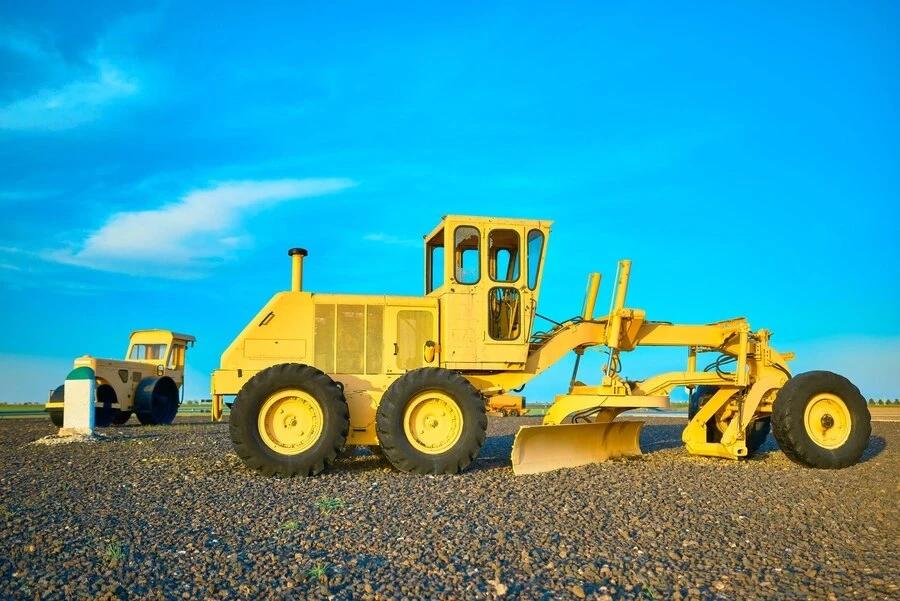
As a top-rated vehicle shipping company in the U.S., BAH Logistics is well-equipped to handle almost any size of agricultural machinery. Whether you're transporting irrigation systems, tractors, planting and cultivation machinery, or more, we can deliver quality farm equipment.
If you are thinking of the best way to transport agricultural equipment, BAH Logistics is the best option. Here are some benefits of BAH Logistics:
Expertise in agriculture equipment shipping. Our carriers have experience and knowledge in agricultural machinery transportation, ensuring that your equipment reaches its destination safely.
Nationwide availability. BAH Logistics can handle agricultural equipment anywhere in the country. We will deliver your farm machinery and collect it from any U.S. location you choose.
Competitive prices. We offer farm equipment transportation at the most competitive rates. For fair and accurate shipping quotes, you can use our online calculator.
All-in-one insurance coverage. Comprehensive insurance coverage provides a fundamental layer of protection for your farm machinery during its journey. Our carriers offer insurance coverage of up to $1,000,000 to ensure your machinery is well protected.
24/7 Customer Support. With 24/7 support, we are always here to answer your questions and help you with any agriculture equipment shipping needs.
Our team is dedicated to safely transporting these types of farm and agricultural equipment:
For heavy equipment shipments, the required documentation varies based on the pickup location:
From Auction: We need a release form, along with the buyer number and lot number.
From Private Location: A Bill of Lading (BOL) will be provided by BAH Logistics.
From Business Location: You should provide the Vehicle Identification Number (VIN).
These documents are essential to ensure a smooth and compliant transport process.
Besides farm equipment transport services, we’re committed to excellence in every type of vehicle shipping including:
When you need to transport agriculture equipment, finding a shipping company that is fully equipped to do the job can be a difficult task. Whether you are selling, buying, or simply moving a piece of agriculture equipment from one location to another, here at BAH Logistics, we can get it there safely, on time, and within budget.
The price of farm equipment transport can vary widely depending on several factors, including the size and weight of the machinery, the distance it needs to be shipped, the transportation method you choose, and the current market conditions.
Generally, with BAH Logistics it takes 1-12 days for agriculture equipment. The timeframe is affected by the distance traveled, weather conditions, shipping options, and the availability of transport carriers.
At BAH Logistics, protecting your farm equipment is our top priority. All our carriers provide insurance coverage to ensure your heavy farm machinery is safe throughout the transport process.
Giving your farm equipment a thorough cleaning before shipping is an important step in transport preparation. Then secure all vulnerable pieces, disconnect the battery, and check the fuel level.
Yes, BAH Logistics provides a unique and seamless door-to-door agriculture equipment shipping solution. Our services cover the entire United States.
Federal law regulates maximum gross vehicle weights, which are set at 20,000 pounds for a single axle, 34,000 pounds for a tandem axle group, and 80,000 pounds for a gross vehicle weight.
Seasonal demand can significantly impact the shipping duration of agricultural machinery. During peak seasons, increased demand can result in longer shipping times, as carriers have to manage a higher volume of loads.




