Shipping Container Transport Services Across the United States
We coordinate with a vetted network of carriers to move standard, high-cube, refrigerated, and tank containers, whether they are empty or fully loaded. Every shipment includes carrier vetting, route planning, and direct communication with your assigned logistics coordinator from pickup to delivery.
We Will Give You an Answer 24/7

![[object Object]](/_next/image?url=%2F_next%2Fstatic%2Fmedia%2Fpartner2.1f37db5f.svg&w=384&q=75)
![[object Object]](/_next/image?url=%2F_next%2Fstatic%2Fmedia%2FgoogleRating.4953d4e1.png&w=384&q=75)
Loading calculator...
Loading calculator...

Fast Shipping
On-Time Delivery

Nationwide Coverage
Cross Country Shipping

Support Team
Available support team

Secure Shipping
All-in-One Insurance Included
How BAH Logistics Handles Container Transport
Shipping a container involves more than finding a truck. The weight, dimensions, and contents of the container determine the trailer type, the permit requirements, and the route that can be legally used. As a freight broker, BAH Logistics manages that entire process on your behalf.
When you request a quote, a logistics coordinator reviews your container type, origin, and destination, and any access restrictions at the pickup or delivery site. They then match your shipment to a qualified carrier from our network, confirm the equipment, arrange any oversize or overweight permits required by the state, and schedule the transport on a timeline that fits your needs.
You receive direct contact with your coordinator throughout the process. There is no call center queue and no handoff to a general support line once your shipment is booked.
Container Types We Transport
![[object Object]](/_next/image?url=%2F_next%2Fstatic%2Fmedia%2FtickIcon.7b56e4ac.png&w=64&q=75)
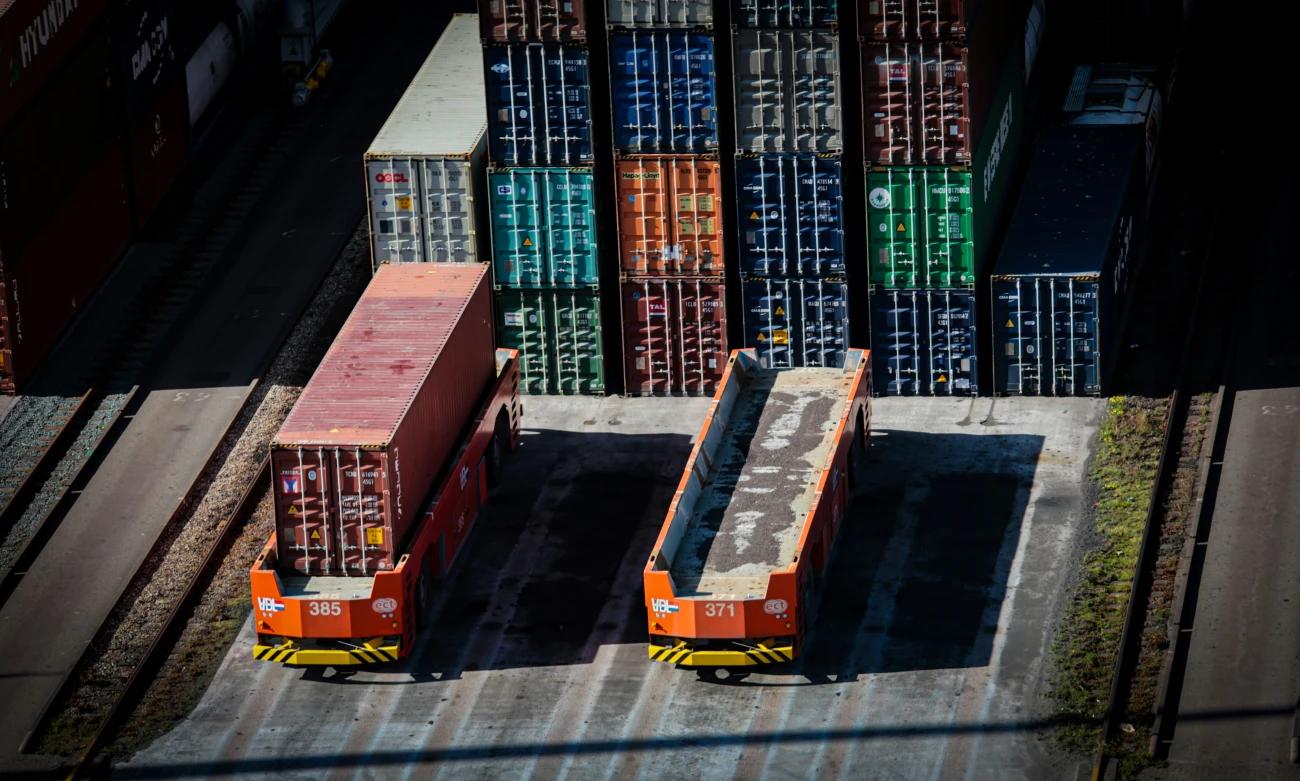
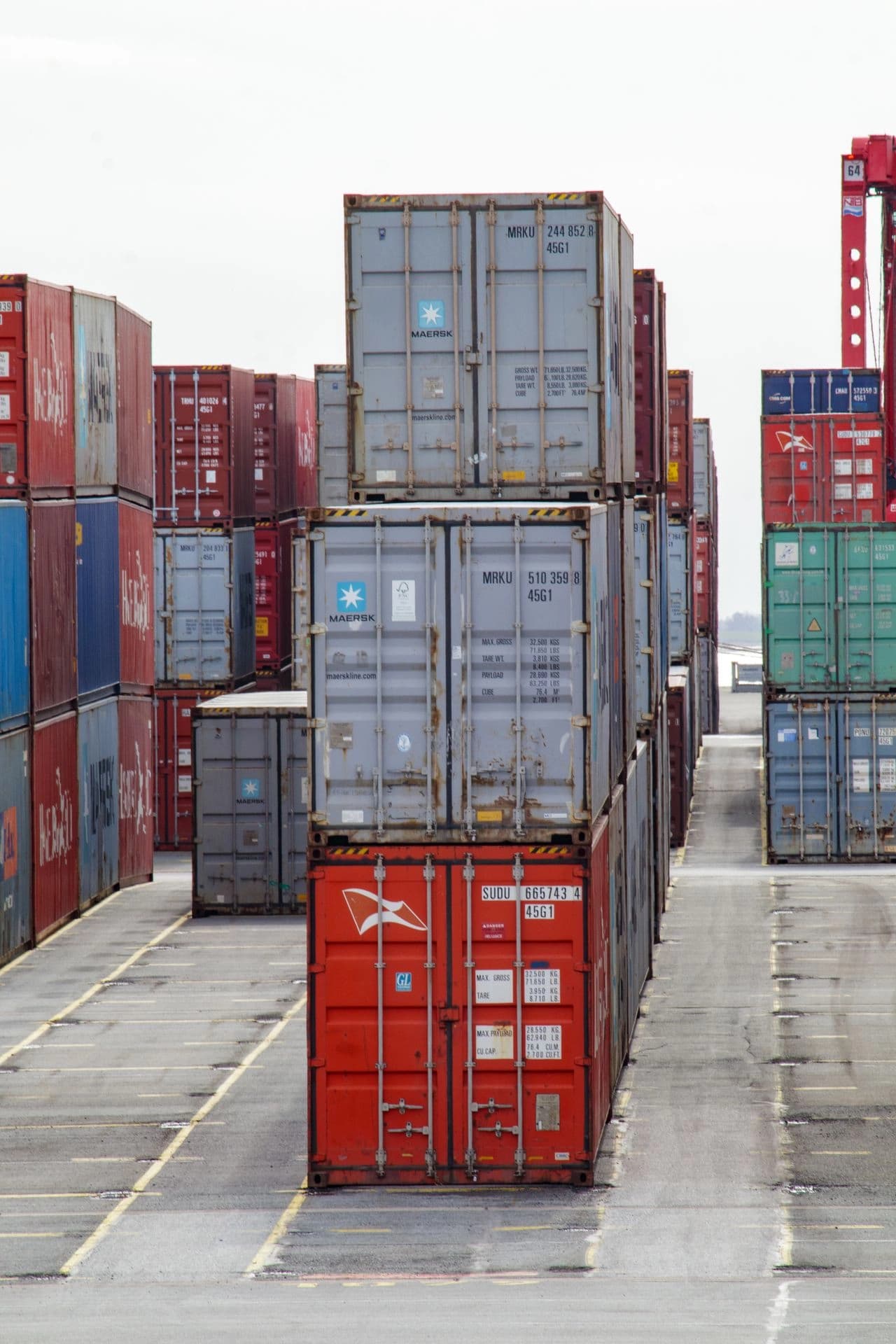
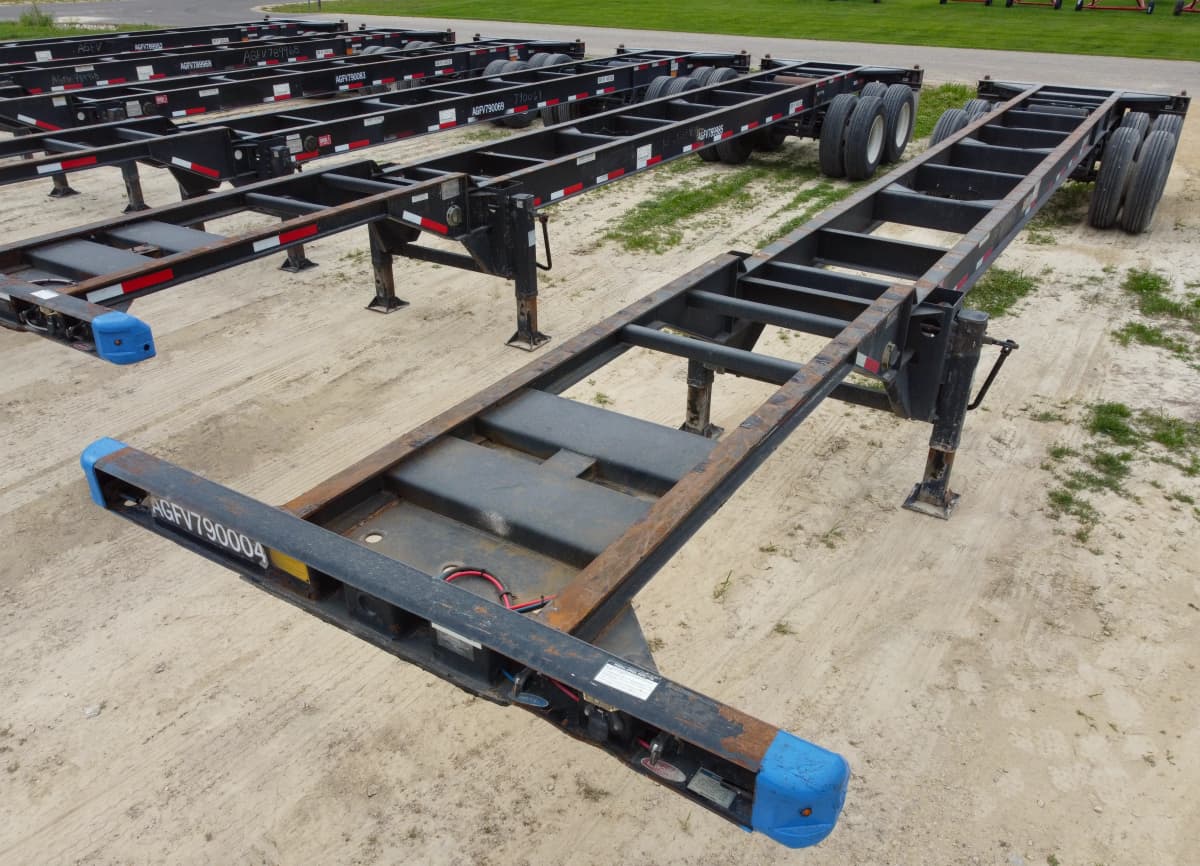
Standard Dry Containers: The most common container type in domestic and international freight. We transport 20-foot and 40-foot standard ISO containers, empty or loaded, on container chassis or flatbed trailers, depending on the shipment requirements.
High-Cube Containers: High-cube containers stand one foot taller than standard containers at 9 feet 6 inches. They are common in e-commerce and bulk goods shipping. Their extra height may require additional permits on certain routes, which BAH Logistics coordinates in advance.
Refrigerated Containers (Reefers): Refrigerated containers require a power source during transport for temperature-sensitive cargo. We coordinate reefer transport with carriers equipped to handle cold chain requirements and verify that the unit remains connected to power throughout transit.
Tank Containers: Tank containers carry liquids, gases, and certain hazardous materials. They require specialized handling and, in many cases, require carriers with hazmat certification. BAH Logistics works with carriers who are properly licensed and insured for tank container transport.
Open-Top and Flat-Rack Containers: For cargo that cannot be loaded through standard container doors, open-top and flat-rack containers allow crane loading and can accommodate oversized items. These shipments typically fall under oversize freight regulations and require additional permitting.
Empty Containers: Empty containers are lighter but still require proper securing and, in some cases, the same permits as loaded containers, depending on dimensions. We handle empty container repositioning for businesses that need containers moved between facilities or ports.
Loading slider...
Years in Car Shipping
Happy Clients
On-Time Delivery
Industries Serve

Expertise in Industry
Moving a shipping container is not the same as standard freight. We have coordinated transport for 20-foot and 40-foot ISO containers, high-cube units, refrigerated containers, tank containers, and flat-rack configurations. We know which trailer each container type requires, which routes work for oversize loads, and what permit filings each state demands before the truck rolls.
ALL-IN-ONE INSURANCE COVERAGE
Your container is covered from the moment it is loaded onto the carrier until it is signed off at delivery. Cargo coverage applies regardless of whether your container is empty or loaded, standard or oversized, giving you financial protection throughout the full transit.
24/7 SUPPORT
Container pickups and port releases do not always happen during business hours. Neither do we. From your first quote to final delivery, your logistics coordinator is available around the clock to answer questions, provide updates, and handle anything that comes up, day or night.
TRANSPARENT PRICING
Your quote reflects your container's actual specifications: size, type, weight, and route. No generic estimates, no rate changes at pickup. Submit your container details and get a rate built around your specific shipment, not a ballpark number adjusted later.VETTED CARRIERS WITH THE RIGHT EQUIPMENT
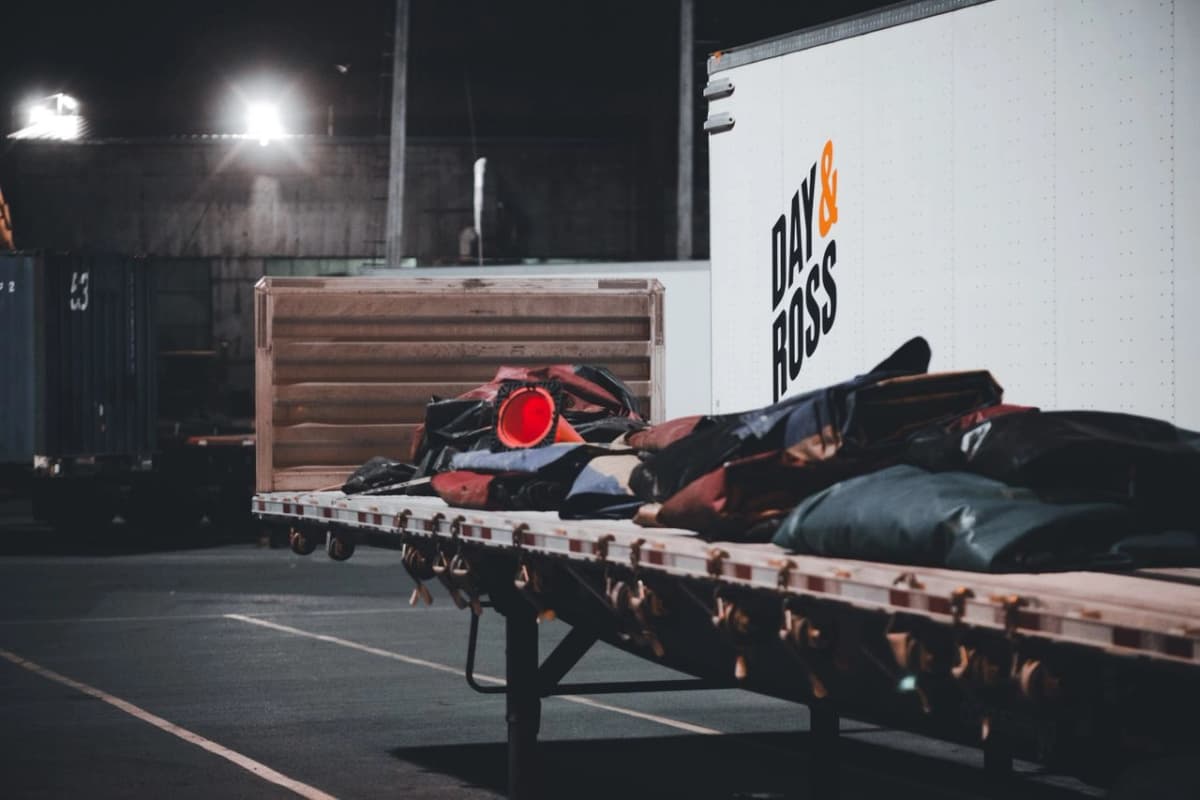
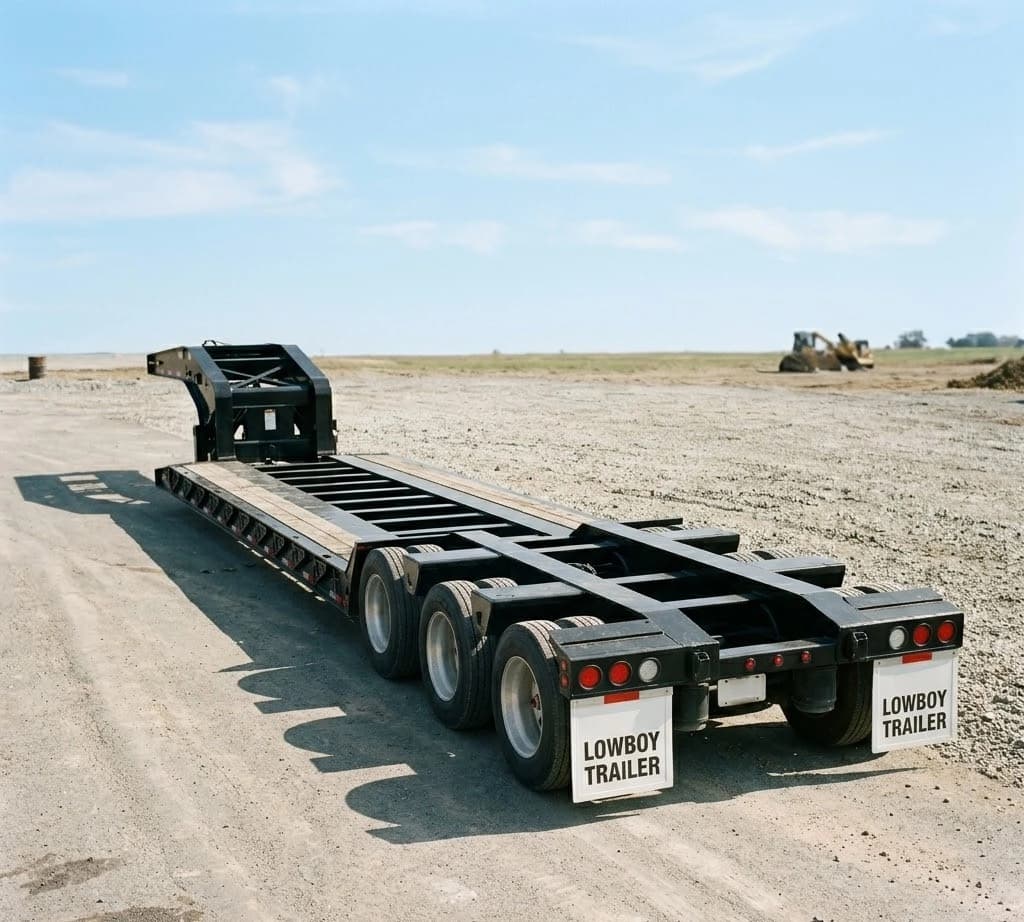
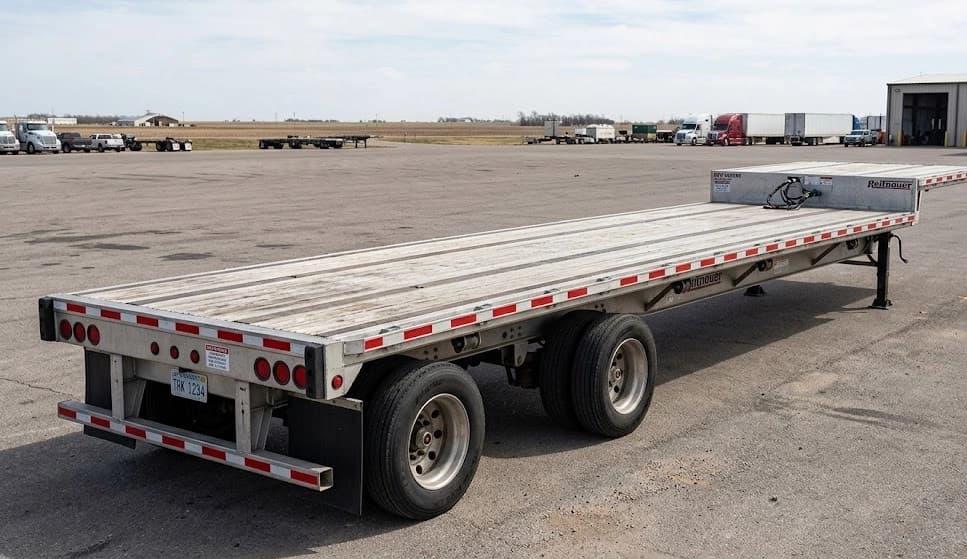
We only assign carriers who are specifically equipped for your container type. Container chassis for standard ISO units, flatbeds and step-decks for flat-rack and high-cube loads, lowboys for overweight shipments. The right carrier and the right trailer are confirmed before dispatch, not determined on pickup day.FAST DISPATCH, CLEAR TIMELINES
We know timing matters, especially when a container is sitting at a port or terminal accruing storage fees. Most container shipments are dispatched within 1 to 3 business days. You will receive your carrier's name, contact number, and confirmed pickup window before they arrive. No vague availability windows.FULLY LICENSED, BONDED & COMPLIANT
BAH Logistics is FMCSA registered, fully insured, and compliant with all federal transport regulations. Every carrier in our network meets the same standards. Your container shipment is covered by complete legal protection and the highest industry safety standards from start to finish.NATIONWIDE COVERAGE
From Houston ports to Chicago rail yards, Copart lots to private warehouses and distribution centers, we cover all 50 states. Whether your container is in a major metro terminal or a rural storage facility, distance and site access are never a barrier.How We Ship Your Container
Get Your Quote
Tell us your container type, size, weight, pickup location, and delivery destination. Because we collect the specifics upfront, including any oversize or overweight conditions, the rate you receive reflects your actual shipment. No adjustments at pickup.
We Match You to the Right Carrier
Not every carrier handles container transport, and not every carrier that does has the right trailer for every container type. Once we receive your order, we assign a carrier from our vetted network who is specifically equipped for your shipment, whether that is a container chassis for a standard ISO unit, a flatbed for a flat-rack load, or a lowboy for a heavy overweight container.
Pickup Confirmation
You will receive your carrier's name, phone number, DOT number, and a confirmed pickup window before they arrive. No uncertainty about who is showing up or when. If your container is at a port terminal, rail yard, or gated facility, we communicate the access details and release information to the carrier in advance.
Loading and Transport
Our carriers are experienced with container securing and load compliance. They document the container's condition before loading, confirm the weight and securement before departure, and handle any permit requirements for the route. Your container travels on the appropriate trailer for its type and dimensions.
Delivery
Your carrier will contact you before arriving at the delivery location. Once the container is offloaded and positioned, you inspect it against the pre-transport condition record and sign off. Any discrepancies are handled through our claims process, backed by carrier cargo insurance.






What Affects the Cost of Shipping a Container
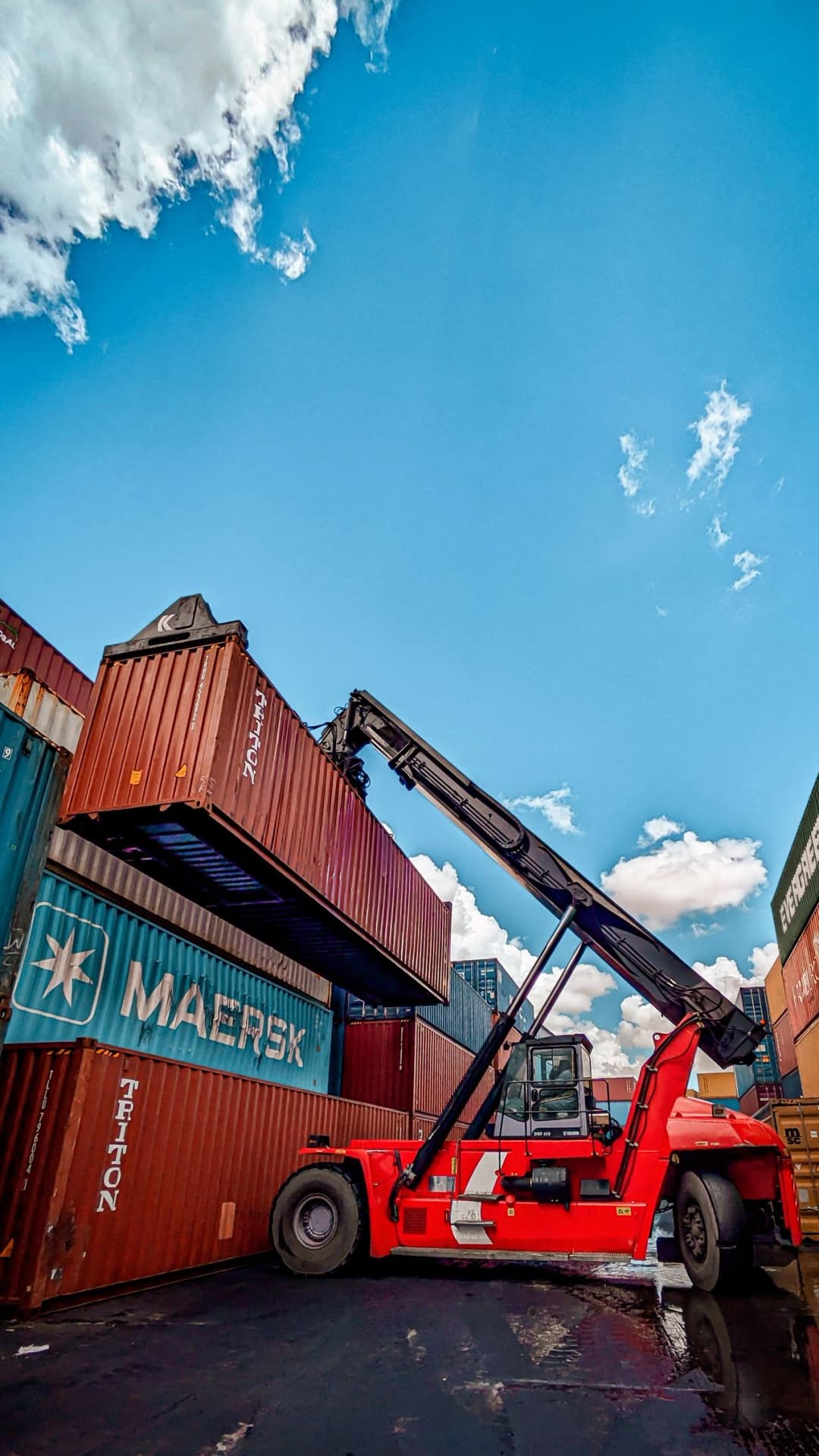
Container shipping costs vary based on several factors. Understanding them helps you plan your shipment and budget accurately.
Distance and Route: Longer hauls cost more. Routes that pass through states with stricter oversize regulations or that require more permit filings will also add to the total cost.
Container Size and Type: A 40-foot container costs more to move than a 20-foot container. High-cube containers may require additional permits due to their height. Tank containers and refrigerated containers involve carriers with specialized equipment and certifications, which is reflected in the rate.
Weight: A loaded container weighs significantly more than an empty one. Shipments that exceed standard legal weight limits require overweight permits, which vary in cost by state. If a container is particularly heavy, a lowboy or multi-axle trailer may be required.
Permits: Many container shipments, particularly those exceeding 8 feet 6 inches in width or 13 feet 6 inches in height, require oversize permits. Permits are state-specific, and a cross-country move may require permits in five or more states. BAH Logistics handles permit acquisition as part of the service.
Fuel: Carrier rates are influenced by fuel prices. For longer hauls, fuel costs represent a meaningful portion of the total rate.
Scheduling: If you need a pickup within 24 to 48 hours, expedited options may carry a premium. Standard scheduling with flexible pickup windows typically offers more competitive pricing.
Types of Trailers We Use For Containter Transportation
Permits for Container Transport
Oversized and overweight permits are required when a shipment exceeds standard legal dimensions or weight limits. Legal limits vary by state but generally apply when a loaded container exceeds 80,000 pounds gross vehicle weight, 8 feet 6 inches in width, or 13 feet 6 inches in height.
BAH Logistics handles permit applications as part of the shipping coordination. For routes that pass through multiple states, we obtain each state's permit before the shipment departs. Some states also require pilot cars or escort vehicles for certain oversize loads, and we arrange those as well.