Tank Container Shipping On Time and On the Right Trailer, With Permits Handled
We bring our heavy haul expertise to every tank container we ship. Empty or loaded, 20ft ISO or non-standard oversized tanks, anywhere in the continental US.
We Will Give You an Answer 24/7

![[object Object]](/_next/image?url=%2F_next%2Fstatic%2Fmedia%2Fpartner2.1f37db5f.svg&w=384&q=75)
![[object Object]](/_next/image?url=%2F_next%2Fstatic%2Fmedia%2FgoogleRating.4953d4e1.png&w=384&q=75)
Loading calculator...
Loading calculator...

Fast Shipping
On-Time Delivery

Nationwide Coverage
Cross Country Shipping

Support Team
Available support team

Secure Shipping
All-in-One Insurance Included
Tank Container Shipping Services Across the USA
BAH Logistics transports tank containers across the continental United States. Empty or loaded, standard 20ft ISO tanks or non-standard sizes, we handle the physical move from pickup to delivery with the right equipment and permits in place. Our team has handled oversized freight long enough to know that tank container moves fail at the details, and that is exactly where we focus.
We put the tank on a trailer, secure it properly, and deliver it to where it needs to go. We work with shippers, depots, ports, and industrial facilities that need to move tank containers between locations. The cargo inside the tank is your business. Moving the tank safely and on time is ours.
Tank Containers We Transport
![[object Object]](/_next/image?url=%2F_next%2Fstatic%2Fmedia%2FtickIcon.7b56e4ac.png&w=64&q=75)
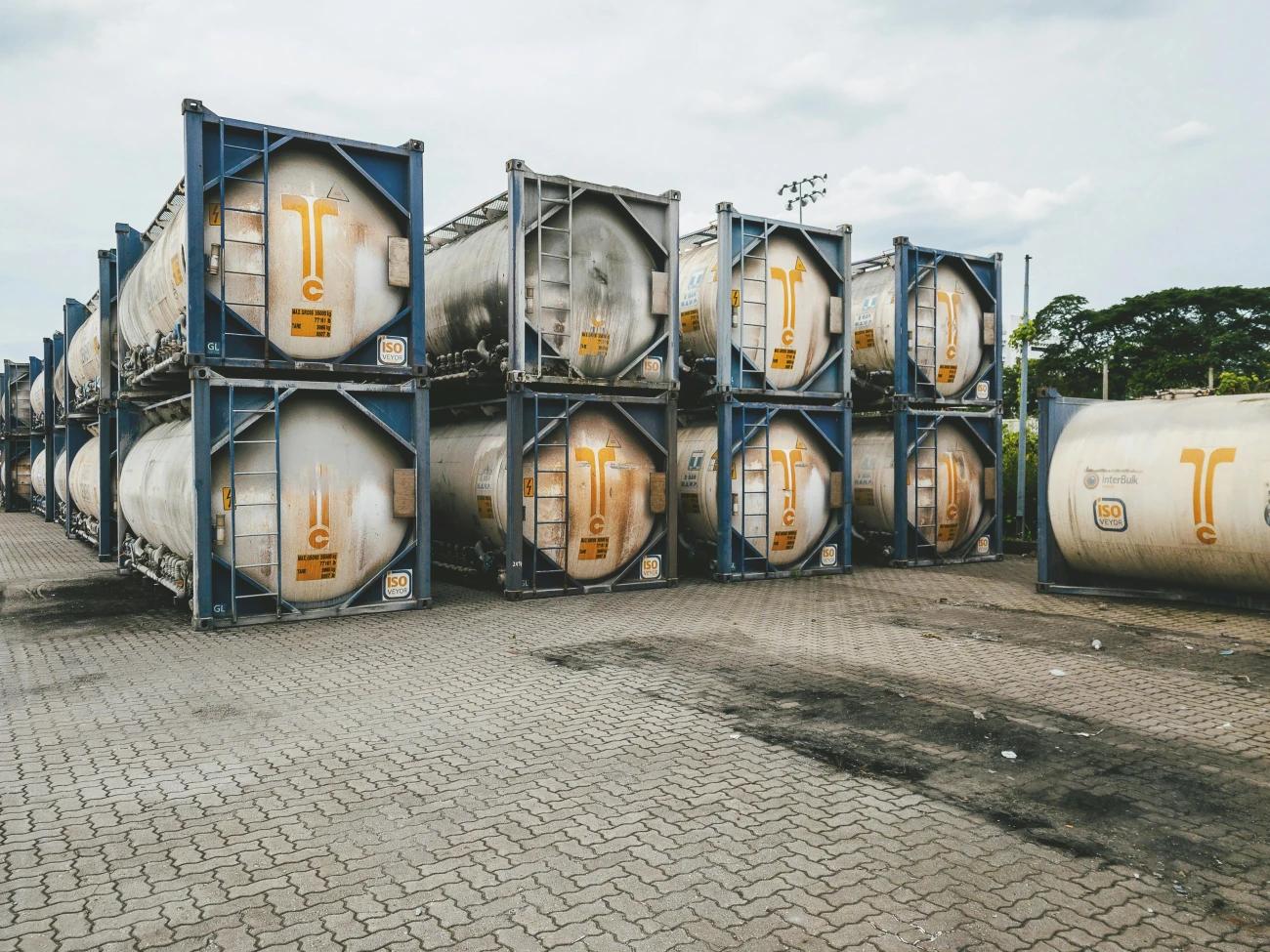
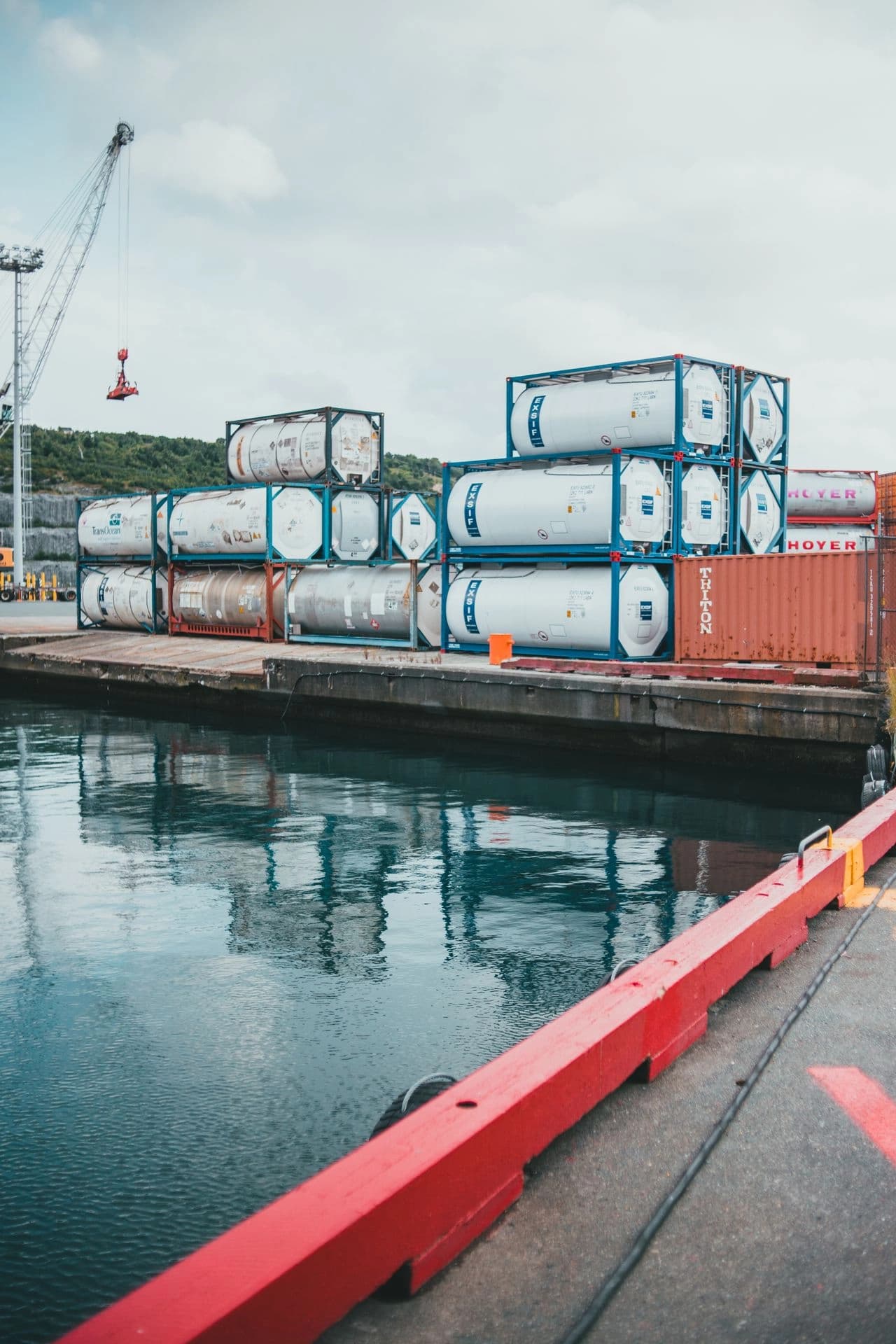
Standard 20ft ISO tank containers are the most common move we handle. These fit on a standard flatbed and move efficiently across most lanes in the continental US.
Non-standard and oversized tank containers require lowboy or step deck trailers and often trigger oversize permits depending on height, width, or length. We have handled enough of these moves to know which states have the most restrictive routing requirements and how to plan around them.
Specialty tanks, including cryogenic, heated, and insulated units, are transported as oversized freight. We do not handle the contents or any temperature systems during transport. We move the tank.
Loading slider...
Years in Car Shipping
Happy Clients
On-Time Delivery
Industries Serve

HEAVY HAUL EXPERIENCE
Moving tank containers is not the same as moving standard freight. BAH Logistics comes from a heavy haul background, which means we already understand oversized equipment, permit requirements, and the kind of coordination that keeps a move from going sideways.
VETTED CARRIER NETWORK
Every carrier we assign to a tank container move is licensed, insured, and verified before they touch your freight. We do not call the first available truck. We match the carrier to the tank type and the lane.
PERMITS HANDLED FOR YOU
Overweight or oversize permits, pilot car coordination, route surveys for restricted corridors, we take care of all of it. You will not be chasing paperwork or calling state agencies. That is our job.
ONE POINT OF CONTACT
From the moment you call to the moment the tank is delivered, you deal with one person at BAH Logistics. No handoffs, no call centers, no repeating yourself to three different people.EMPTY AND LOADED MOVES
We handle both without treating one as less important than the other. An empty tank move still needs the right trailer and proper securement. We approach every move the same way regardless of what is inside.RIGHT TRAILER, EVERY TIME
Flatbed for standard ISO tanks, lowboy or step deck for non-standard and oversized units. We do not cut corners on equipment selection because the wrong trailer creates problems that cost more than doing it right the first time.NATIONWIDE COVERAGE
We move tank containers across all 48 contiguous states. Port drayage, depot to depot, facility to facility, long haul or short haul, the lane does not limit us.TRANSPARENT QUOTING
Your quote reflects the actual move. Dimensions, weight, permit requirements, and lane complexity are all factored in upfront. No surprises after the truck is already rolling.How Tank Shipping Works with BAH Logistics
Get a Quote
You contact BAH with the tank dimensions, weight, pickup location, delivery location, and whether the tank is empty or loaded.
We Confirm Permits and Trailer Type
We confirm the permit requirements and trailer type needed for your specific move.
We Schedule and Coordinate Pickup
We match the shipment to a vetted carrier with the right equipment for that tank.
We Schedule a Pickup
We schedule pickup, coordinate with your facility or depot on access and loading requirements, and confirm the tank is properly secured before it leaves.
We Manage Delivery and Documentation
We manage delivery coordination at the destination and provide documentation, including weight tickets and permit copies for oversize or overweight moves.






Permits and Oversize Coordination
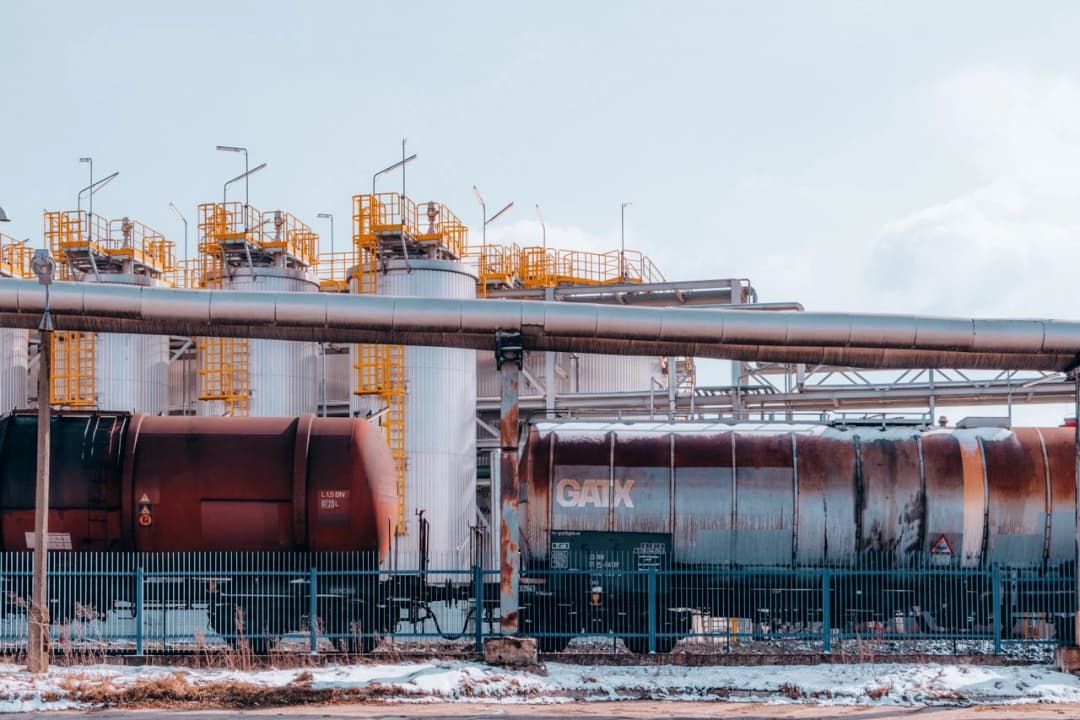
When a loaded tank container exceeds 80,000 lbs gross vehicle weight, an overweight permit is required. When a non-standard tank exceeds legal width, height, or length limits, oversize permits are required. Some moves require both.
We work with carriers who are experienced in oversize and overweight freight and have the permit process built into their operations. When your move requires permits, we factor that into the planning from the start so there are no delays at dispatch. If you are not sure whether your tank container move requires a permit, tell us the dimensions and the loaded weight, and we will confirm it before we book anything.
Equipment We Use During Oversized Tank Transport Service
The trailer type depends on the tank dimensions, the loaded weight, and in some cases, the pickup and delivery facility requirements. We confirm the right trailer before we assign a carrier, not after.
Flatbed Trailers: Standard 20ft ISO tank containers move on flatbed trailers in most cases. A standard flatbed sits at 48 to 53 feet and handles tanks within legal height and weight limits without requiring special permits. This is the most common setup for empty ISO tank moves and lighter-loaded tanks.
Step Deck Trailers: When a tank container sits too tall for a flatbed but does not require a full lowboy, a step deck is the right call. The lower rear deck gives extra height clearance without the complexity of a lowboy setup. Step decks are commonly used for non-standard tanks that are slightly over legal height on a flatbed.
Lowboy Trailers: Taller and heavier non-standard tank containers go on a lowboy. The lowboy deck sits significantly closer to the ground than a flatbed or step deck, which allows for taller tanks to move within height restrictions or at least minimize the oversize permit requirements. Specialty tanks, including cryogenic and insulated units that carry added structural height, typically move on a lowboy.
RGN Trailers (Removable Gooseneck): For the largest non-standard tank containers that cannot be loaded from the side or rear, an RGN trailer allows front loading by detaching the gooseneck and driving or rolling the tank onto the deck. This is less common for tank container moves, but is available in our carrier network when the situation calls for it.
Securing and Blocking: Every tank container is blocked and braced according to the tank dimensions and weight distribution. Standard ISO tanks use twist locks and corner castings on the flatbed. Non-standard tanks without standard corner fittings require custom blocking, chocking, and strapping to keep the tank stable through the full move. We confirm securement standards with the carrier before the tank leaves the origin. If it is not secured correctly, it does not move.
What to Have Ready Before You Call
Tank dimensions
Length, width, and height of the tank container. Required to confirm trailer type and any oversize permit needs.
Tank weight
Gross weight if loaded, or empty tare weight if the tank is empty. Required to determine overweight permit requirements.
Pickup and delivery addresses
Full addresses for origin and destination, including facility name and zip code.
Preferred dates
Your target pickup date and required delivery date. Permit moves need more lead time so the earlier the better.
Empty or loaded
Whether the tank is empty or loaded at the time of pickup. This affects trailer selection, permits, and rate.
Facility access notes
Whether a crane, forklift, or ramp is available at the origin or destination. Any height or weight restrictions at the facility?